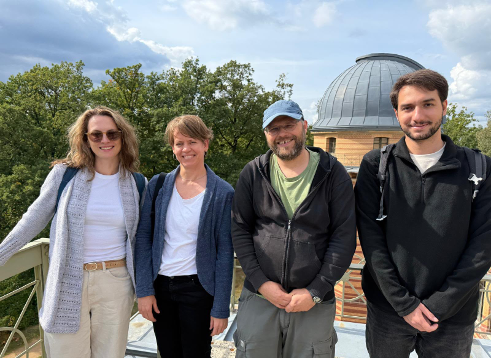
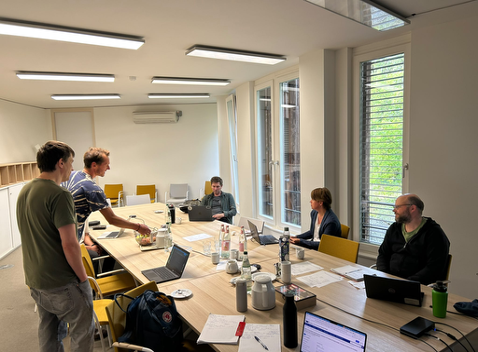
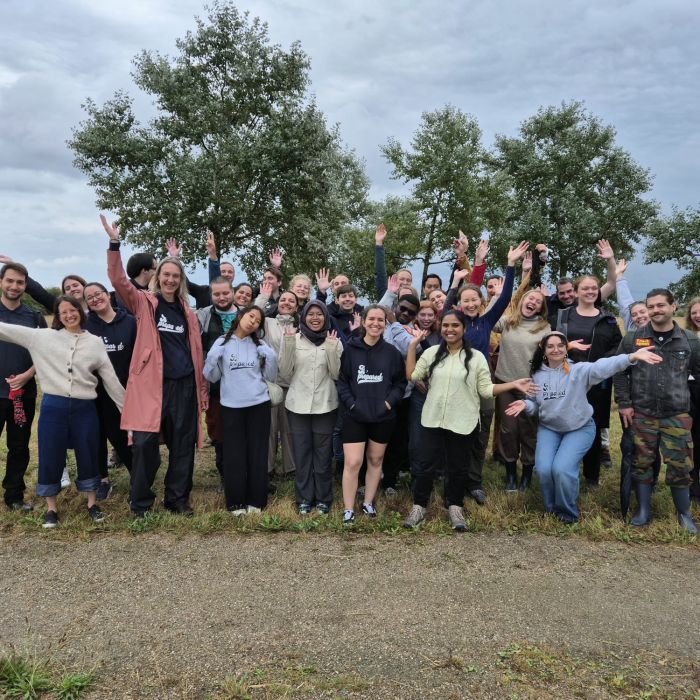
The workshop on Biodiversity Indicators and Infectious Diseases took place from 16–18 September 2026 in Potsdam, Germany, as part of COST Action CA23133 (LILY). The workshop focused on combining climate, land use and biodiversity data to improve projections of infectious diseases, including hantavirus and leptospirosis.
The discussions focused on the use of ISIMIP climate models, land use models and biodiversity data, including historical data and future scenarios. Participants explored how these different datasets could be combined to better understand the relationships between environmental changes, biodiversity and infectious disease risks. Presentations addressed disease projections, terrestrial biodiversity scenarios and the role of protected areas in biodiversity conservation. Discussions covered the limitations of existing biodiversity data, the distribution of species, and the need to consider host species, competitors and predators when developing future scenarios.
The workshop also explored how climate change, land use change, biodiversity indicators and existing flood models could be integrated to develop future environmental scenarios. These combined datasets will support the use of machine-learning approaches to project infectious disease risks under different future environmental conditions. The meeting provided an opportunity to exchange knowledge, discuss data limitations and coordinate future research activities within LILY. The discussions helped identify important data sources, modelling approaches and environmental factors to consider when developing future disease projections.
Next steps include refining the climate, land use and biodiversity scenarios, reviewing relevant biodiversity data and indicators, and integrating these with flood models and infectious disease data. These efforts aim to improve the understanding and prediction of future infectious disease risks under changing environmental conditions.