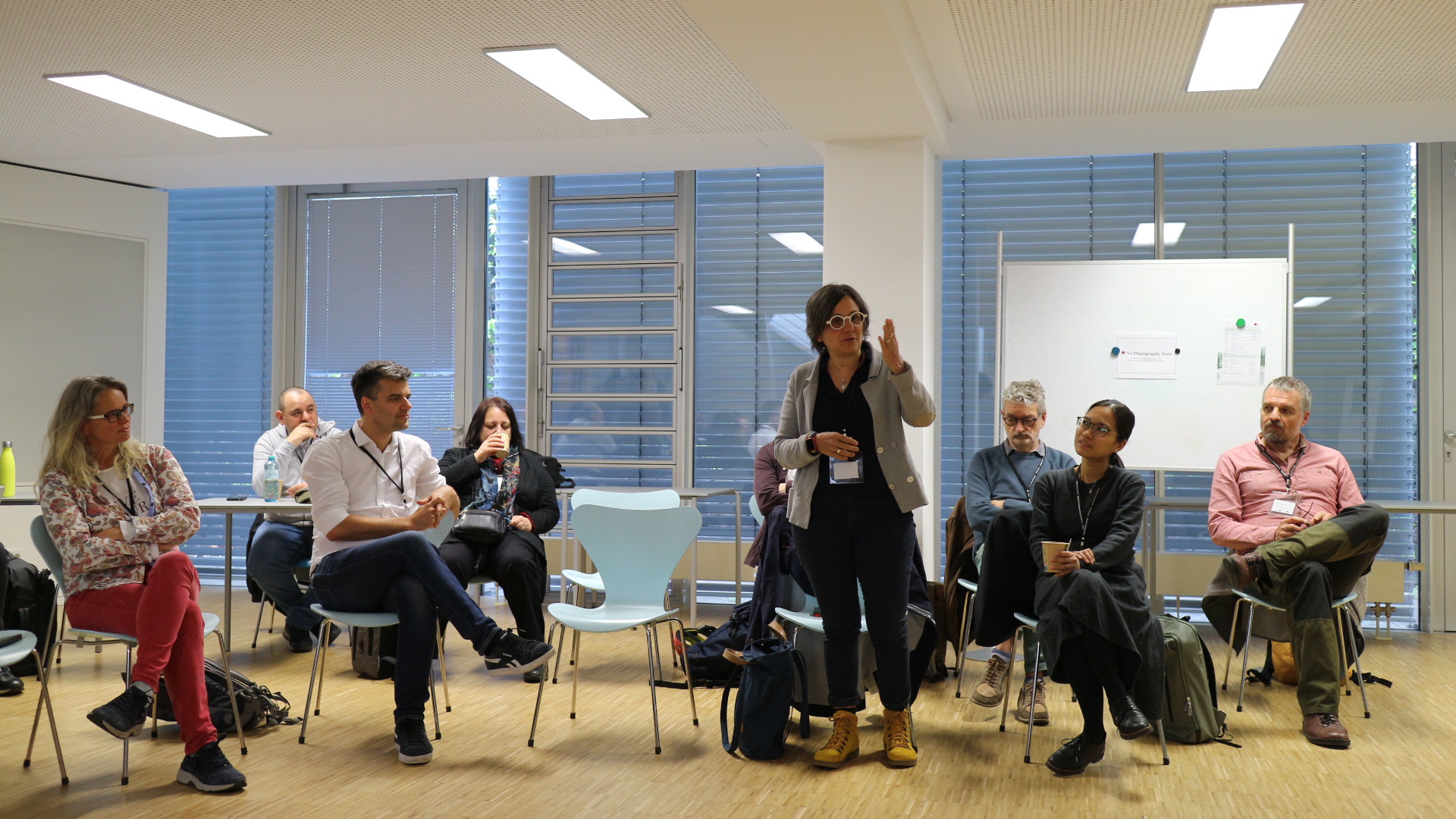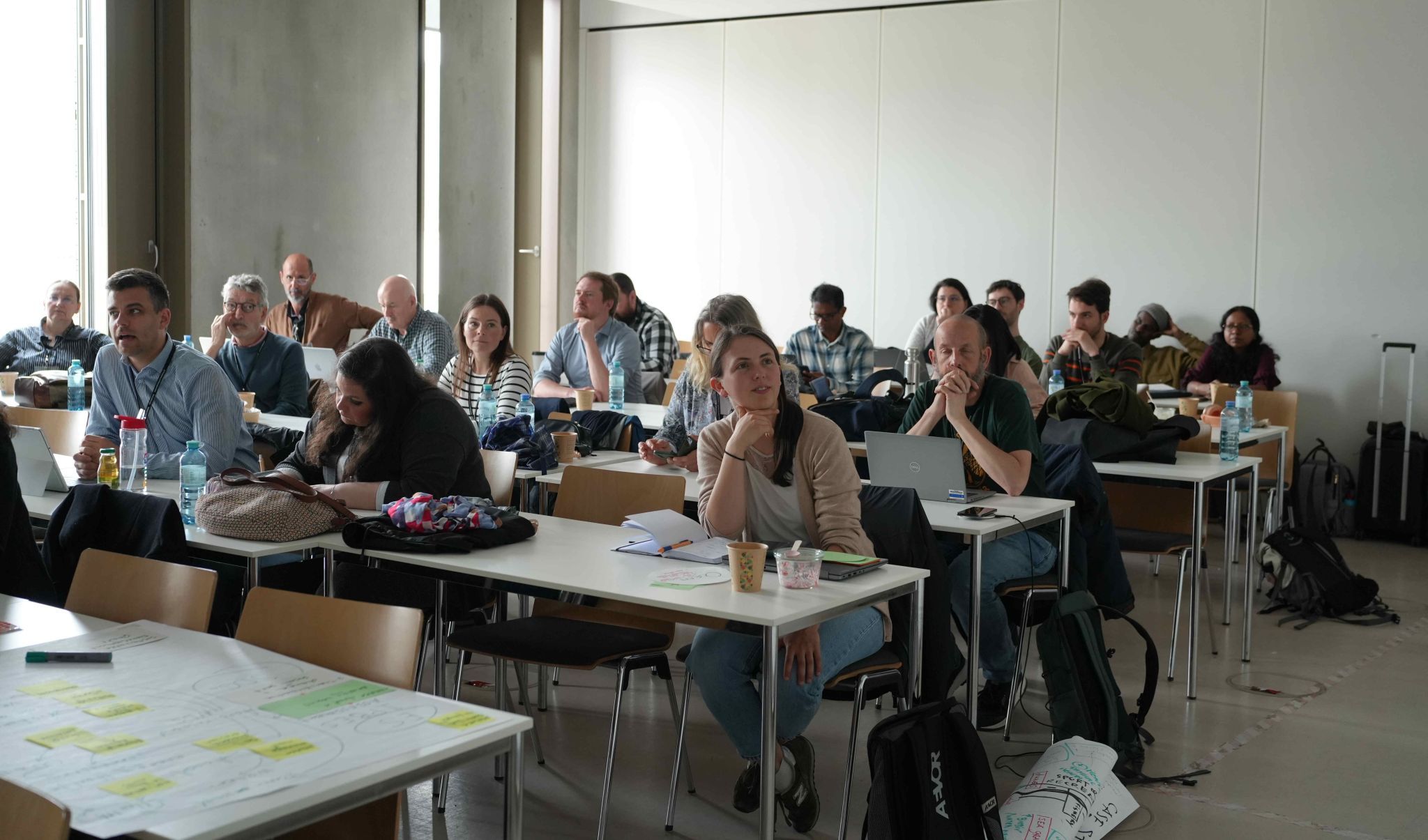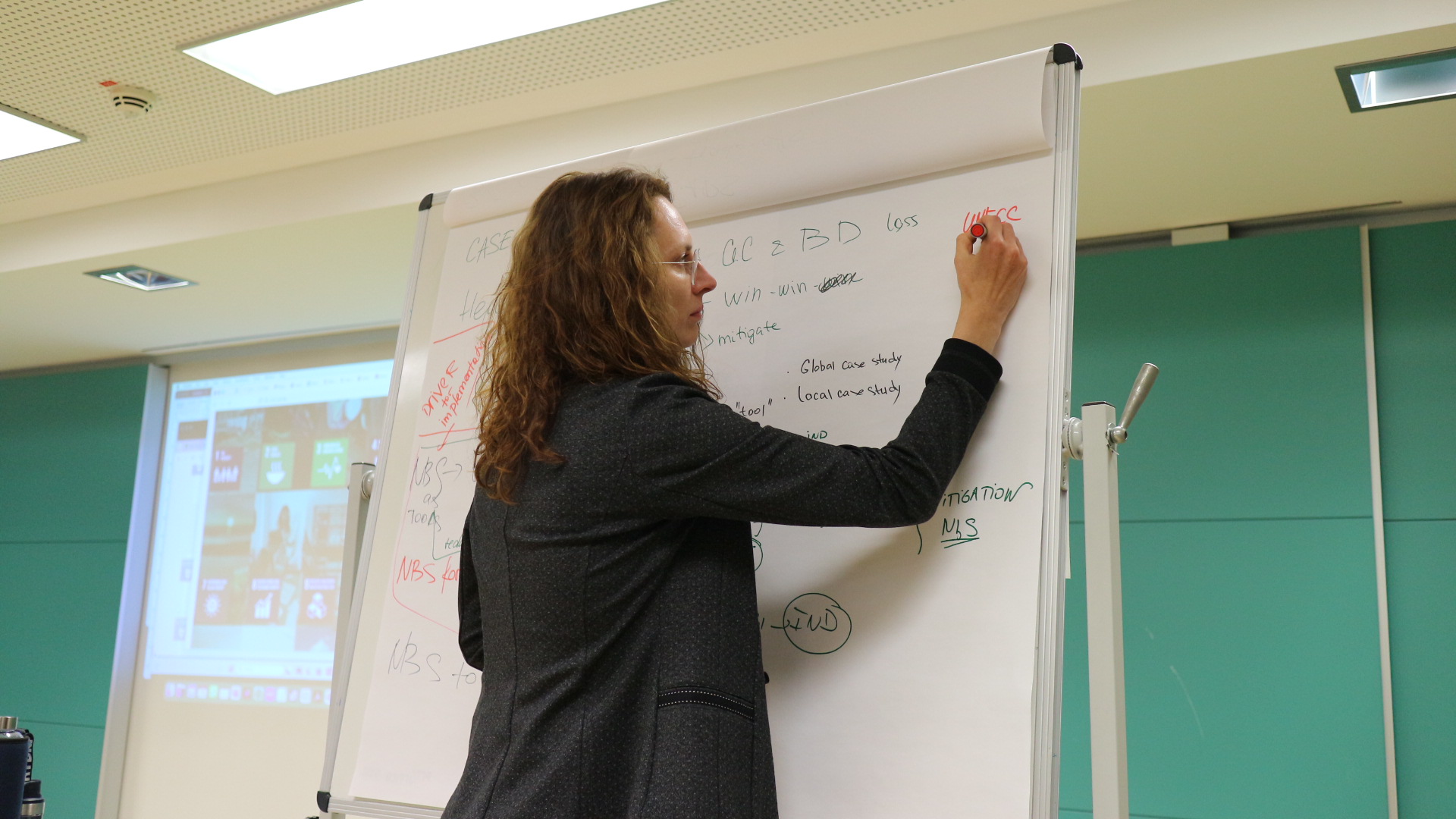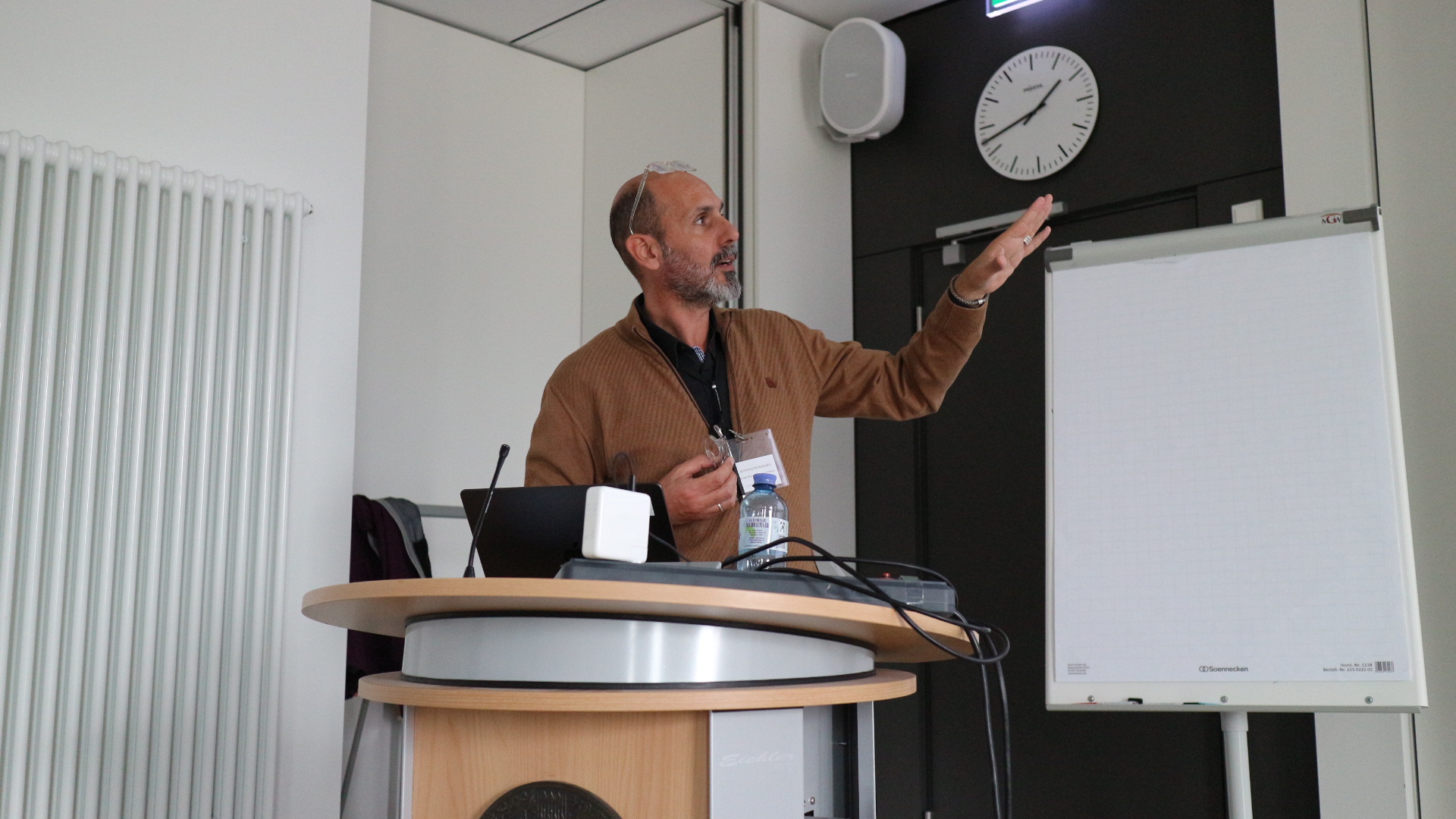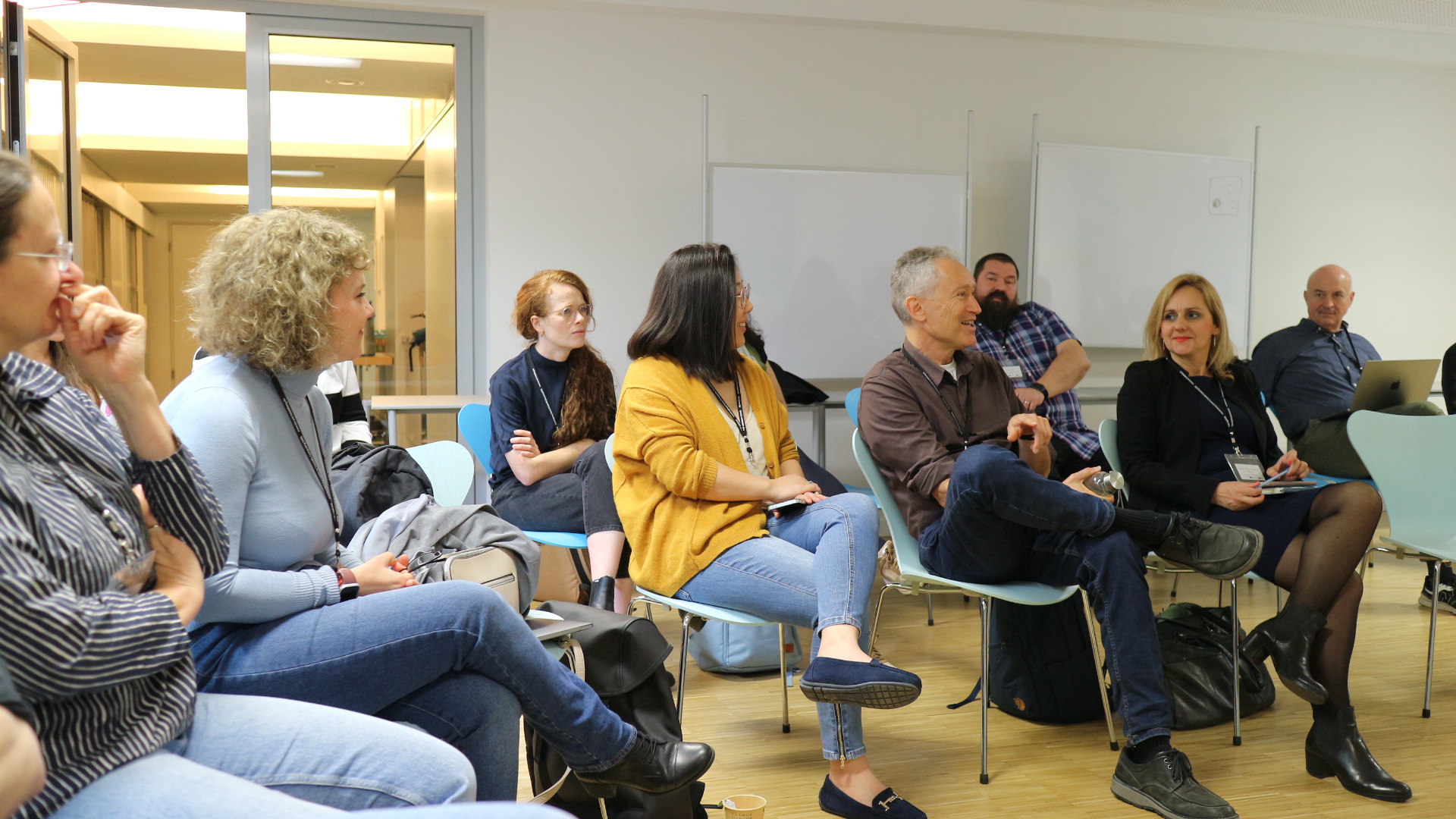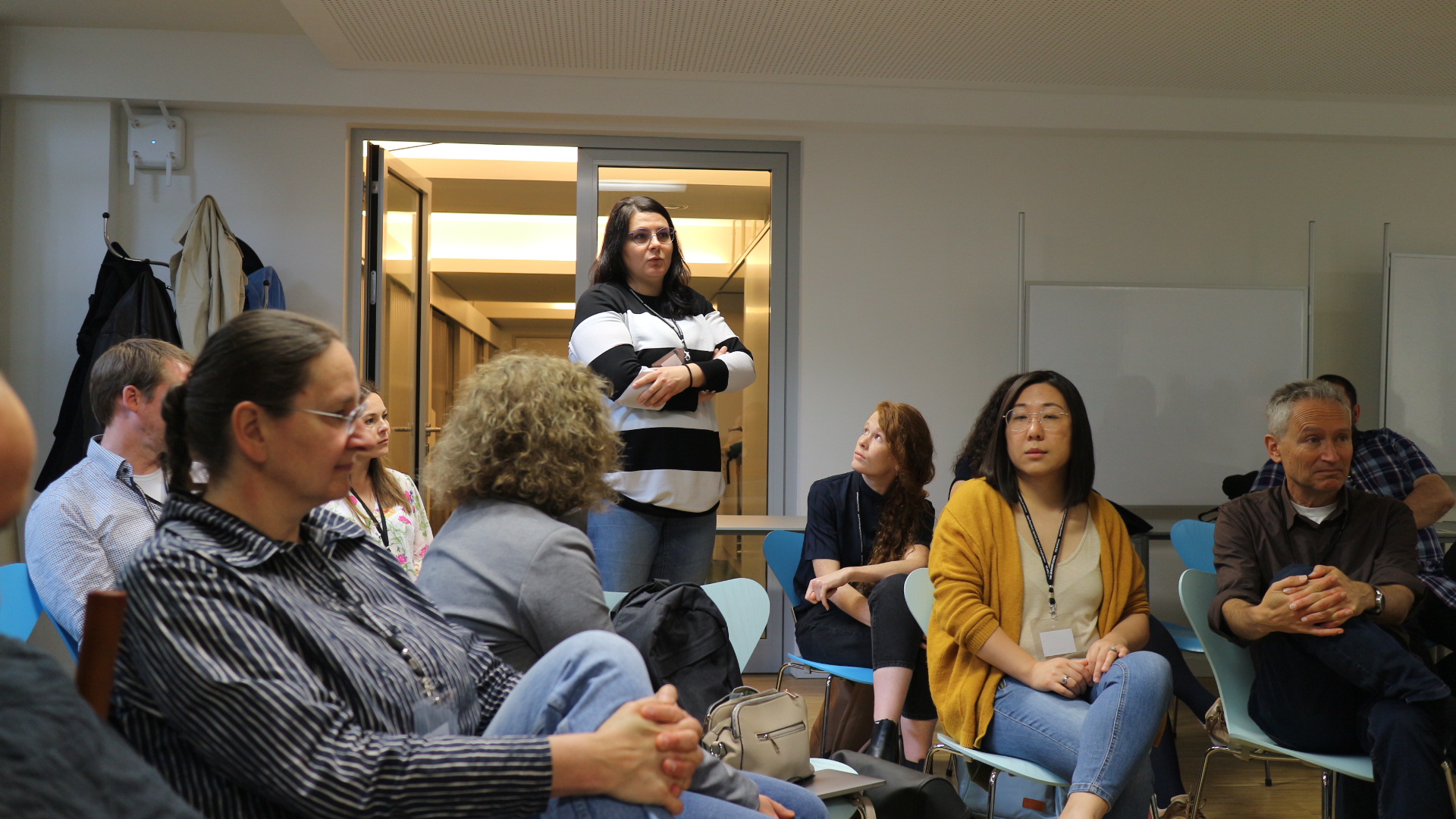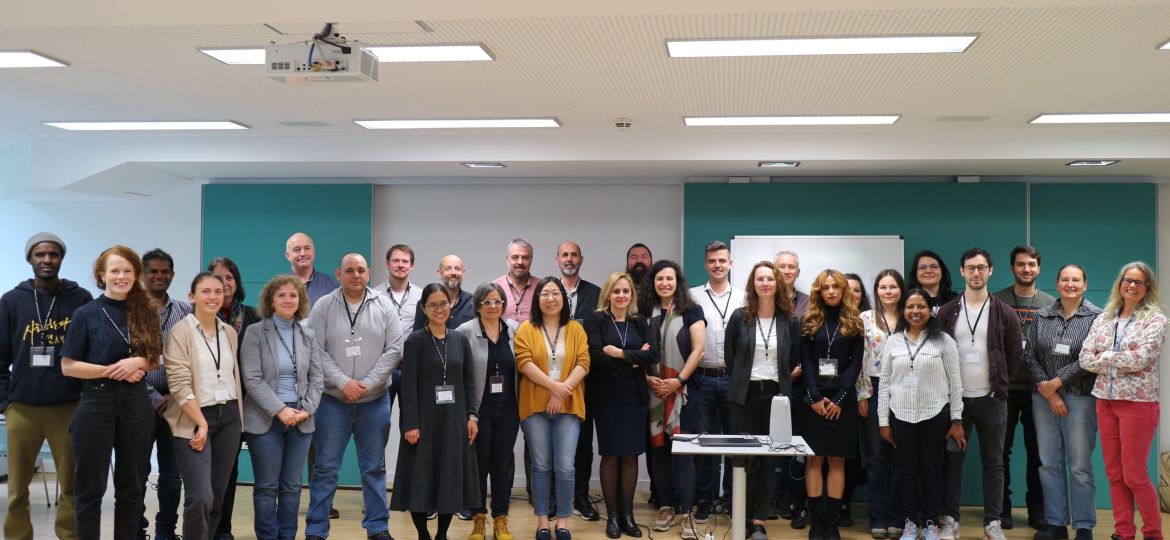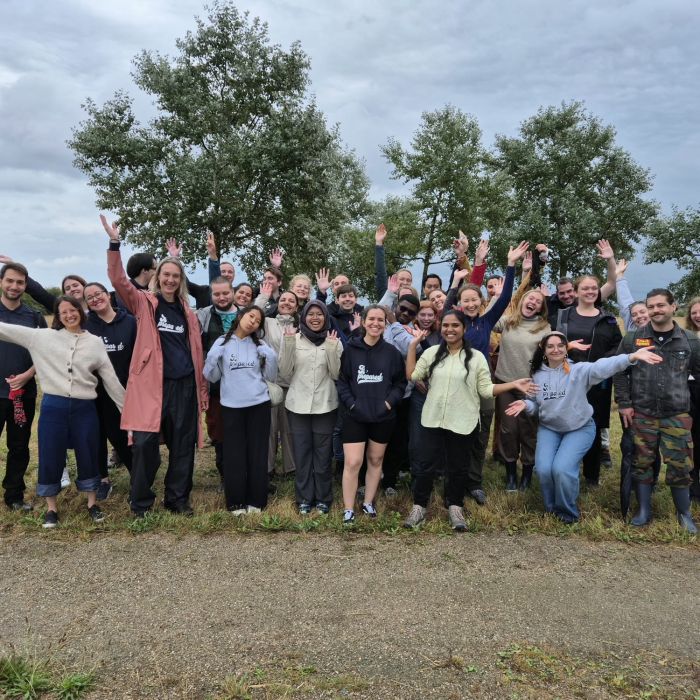
Over 40 researchers from 24 academic institutions and 13 countries across Europe participated in an interdisciplinary workshop by LILY.
The workshop focused on advancing understanding of the impacts, co-benefits, and unintended consequences of Nature-based Solutions (NbS) on health and developing robust frameworks for their assessment.
The event was hosted by the Eco-epidemiology Group at the Heidelberg Planetary Health Hub, Heidelberg University, on April 24–25, 2025. The two-day event brought together experts from diverse disciplines, including public health, epidemiology, marine and landscape ecology, urban planning, sustainable engineering and data science. Discussions centered on the benefits and potential health risks of NbS for humans, animals, and ecosystems. Participants also highlighted the growing importance of NbS in climate adaptation strategies and the relevance to the United Nations’ 2030 Agenda for Sustainable Development.
The workshop was convened by Working Group 1 of LILY, which focuses on synthesizing current research on NbS and health, identifying gaps, and building a shared methodological framework. Key topics included the development of health indicators, equity and policy integration, and designing impact assessment protocols adaptable to varying environmental contexts.
Day one sessions emphasized the links between NbS and health, featuring keynote presentations from LILY Action Chair, Dr. Marina Treskova (Heidelberg University), and Professor Frauke Ecke (Helsinki University, Finland). Day two shifted towards co-producing shared conceptual frameworks and best-practice guidelines for health impact assessments. Participants collaboratively laid the groundwork for tools such as standardized monitoring guidelines and a shared data platform, all aligned with the One Health approach. The workshop strengthened interdisciplinary collaboration within the COST Action network, and served as a platform to discuss the next steps and milestones and collaborative publications within the consortium.