Green spaces, restored wetlands and other nature-based solutions can improve health, but how people use, perceive and maintain them shapes what those benefits look like in practice.
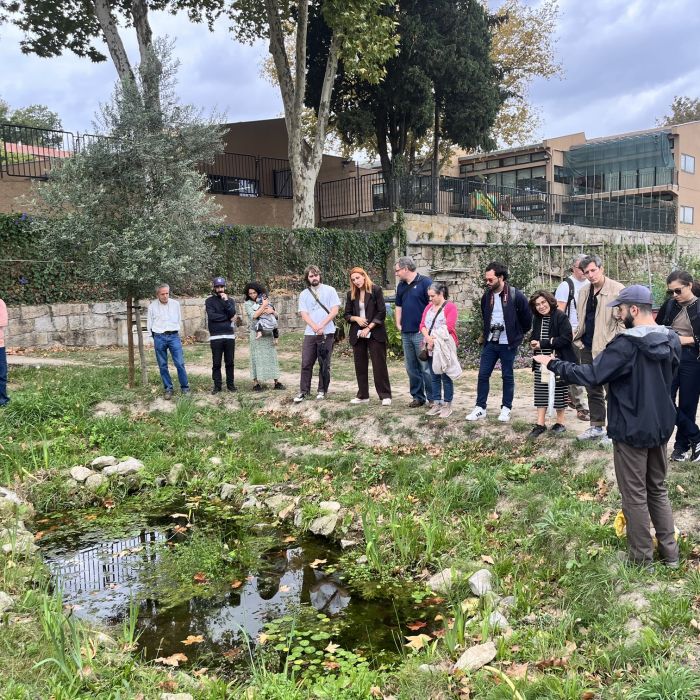
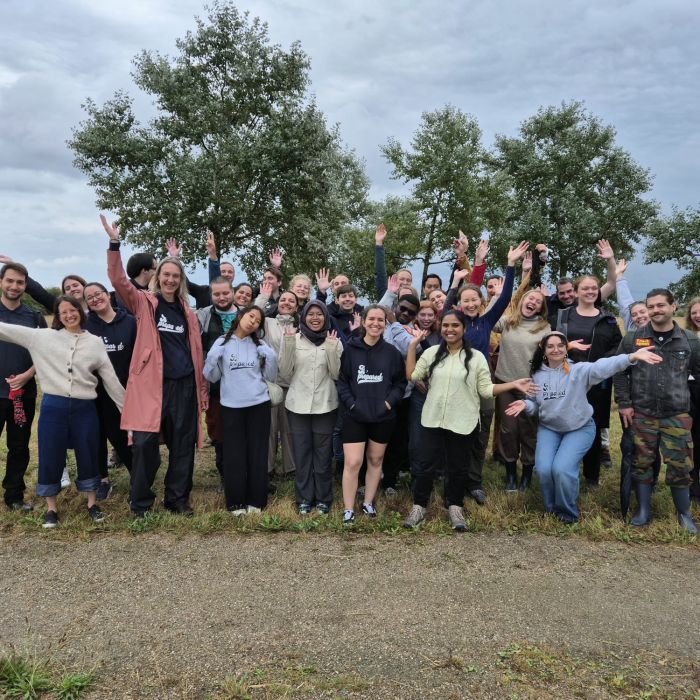
On 22 and 23 September, LILY’s Working Group 1 met at Heidelberg University to explore how nature-based solutions and socio-behavioural interventions can be designed together to protect human, animal and ecosystem health.
The researchers who joined the workshop brought expertise in ecology, public health, the social sciences and intervention research.
One framework for people and ecosystems
The workshop was grounded in a Planetary Health approach. Participants examined how ecological processes, Earth system dynamics, planetary boundaries and social–ecological interactions could be addressed jointly, rather than through separate interventions for environmental and human health.
Discussions centred on a conceptual framework and a set of criteria for identifying interventions that treat human and ecosystem health as interconnected. The aim is to help researchers and practitioners design and assess interventions that deliver benefits across both.
What comes next
The discussions in Heidelberg lay the groundwork for future collaboration within LILY. Working Group 1 will refine the intervention framework, develop common indicators for evaluating integrated interventions, and prepare joint research initiatives building on the workshop’s outcomes.