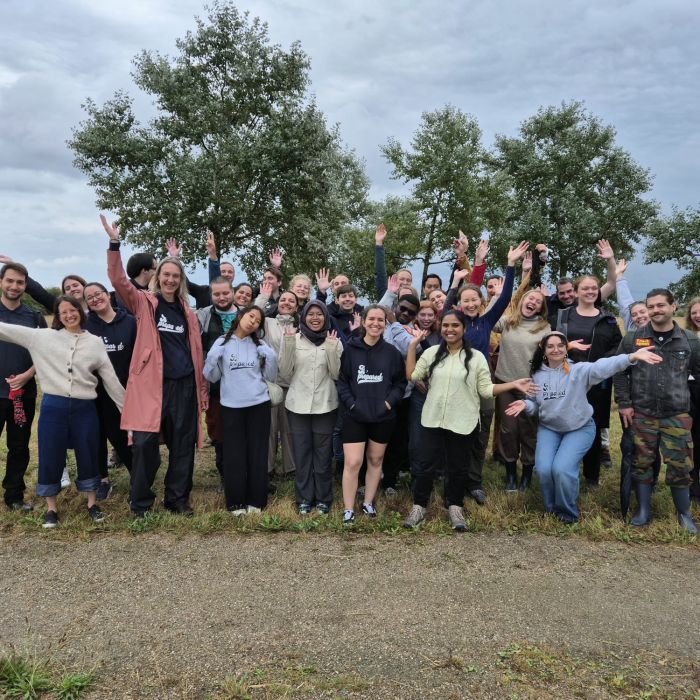
How do Nature-based Solutions (NBS) affect health beyond their intended environmental goals? This question brought together researchers, practitioners, municipal representatives and local stakeholders for a two-day COST Action LILY Working Group 1 workshop in Campanhã, Porto (Portugal).
From research exchange to collaboration
The first day focused on exchanging experiences from European projects, including URBiNAT, GReENERGY, INTERCLIM and IDAlert, and exploring the links between green infrastructure, climate adaptation and health. Participants also advanced work on the NbS–Health Impact Matrix and discussed opportunities for future WG1 publications and collaborative activities.
Group Model Building
The second day brought the discussion closer to the places and communities experiencing NbS in practice.
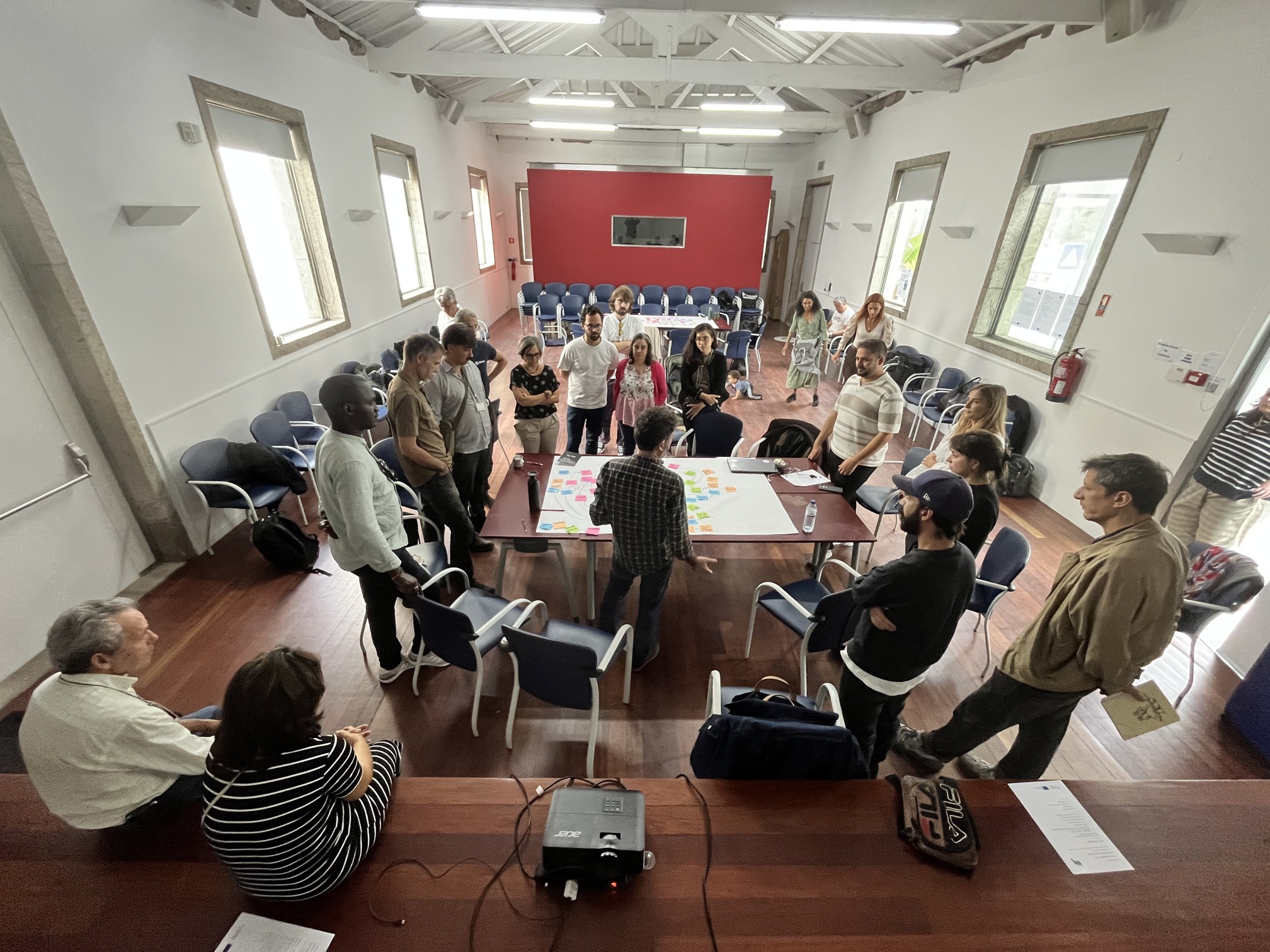
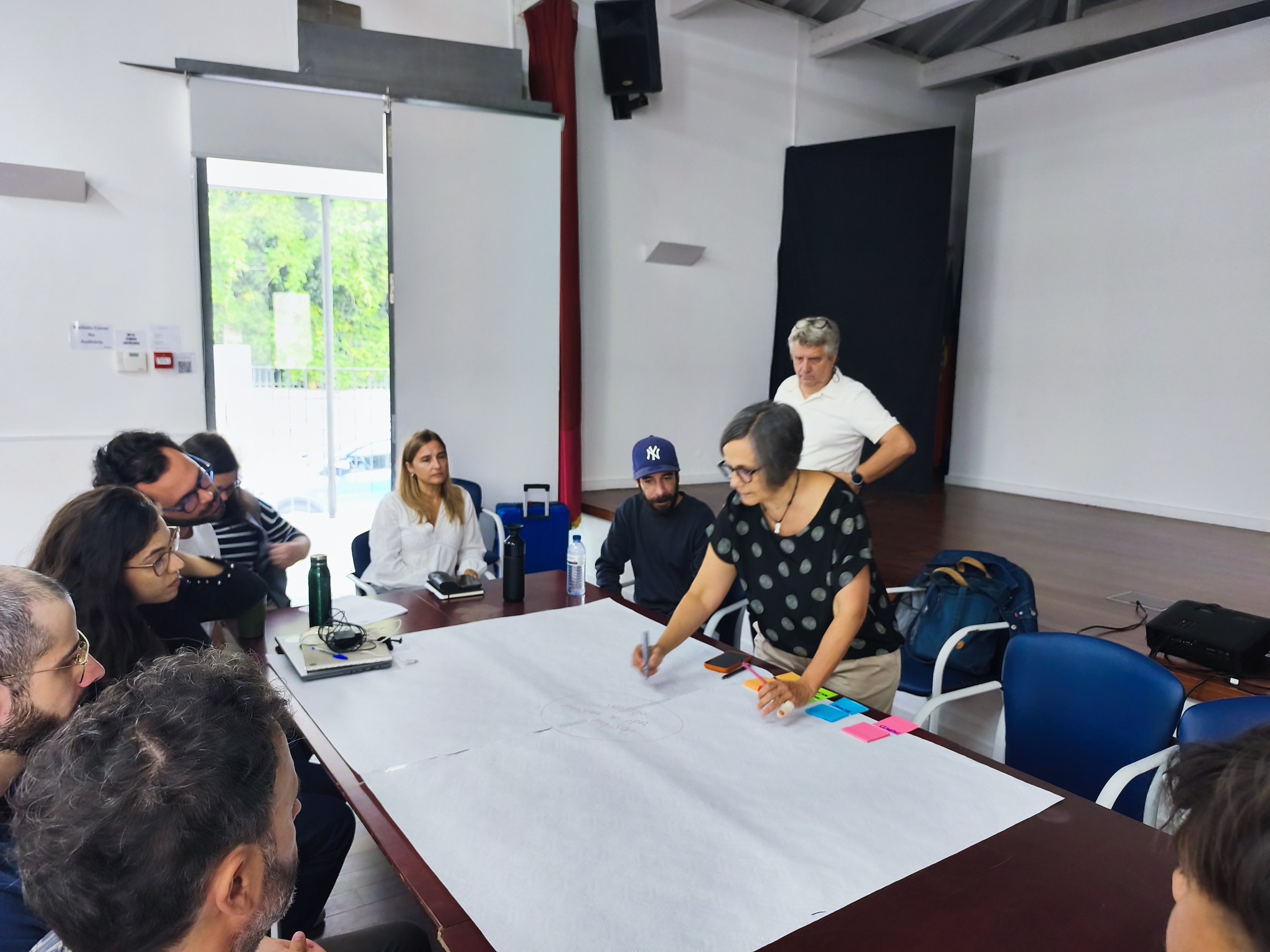
Researchers and local stakeholders explored a hypothetical mosquito-borne disease outbreak in Campanhã through a participatory group model-building activity. Participants mapped the potential drivers and consequences of an outbreak, connecting climate change, standing water, urban design and biodiversity with public health, social inequalities and perceptions of nature. Discussions highlighted the importance of coordinated action across environmental, health and municipal institutions, and emphasised how thoughtful NbS design, ecological balance, and coordinated management can help mitigate risks and avoid unintended consequences, bringing local knowledge into the exploration of the complex relationship between NbS and human health.
Site visits
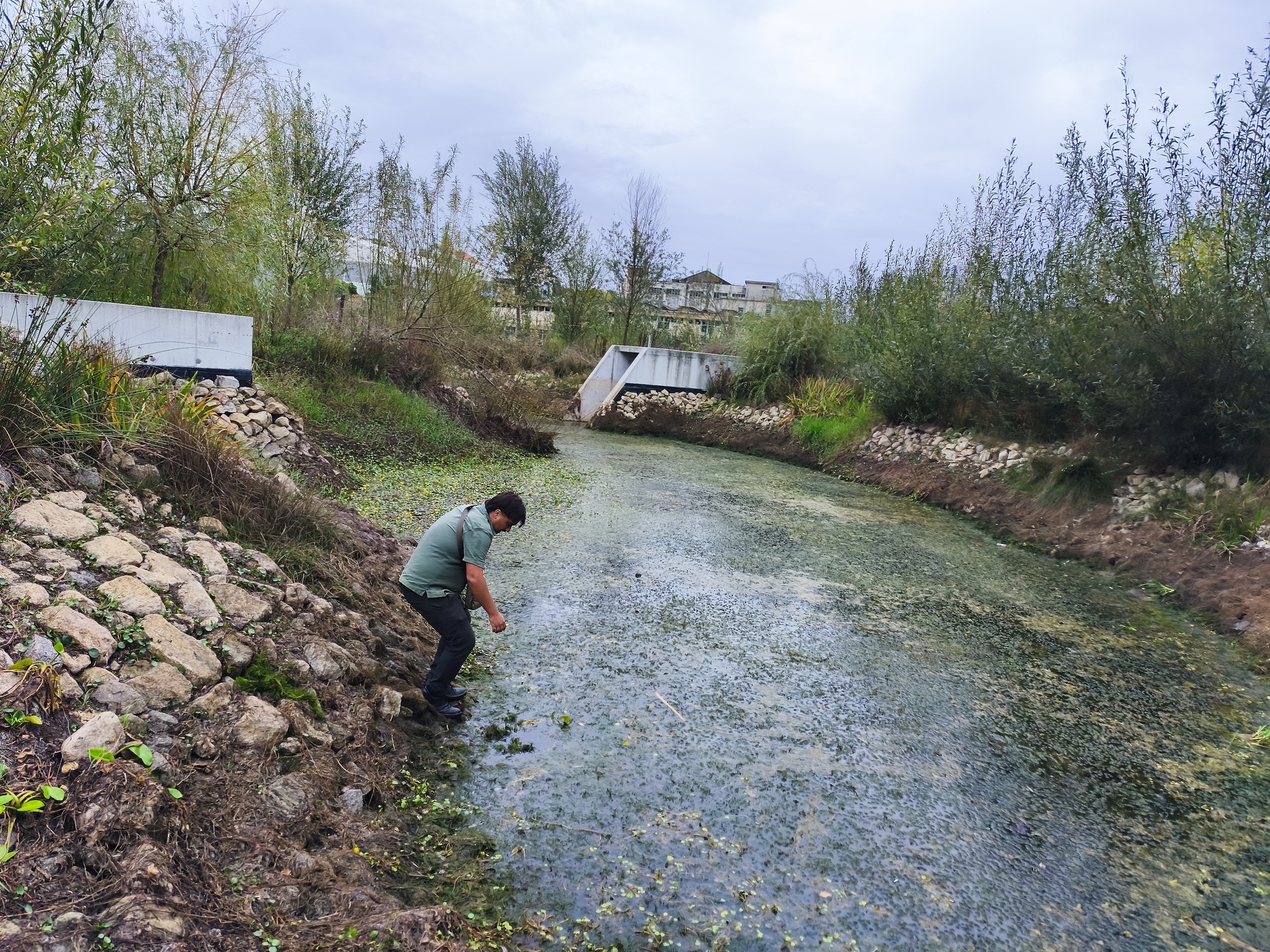
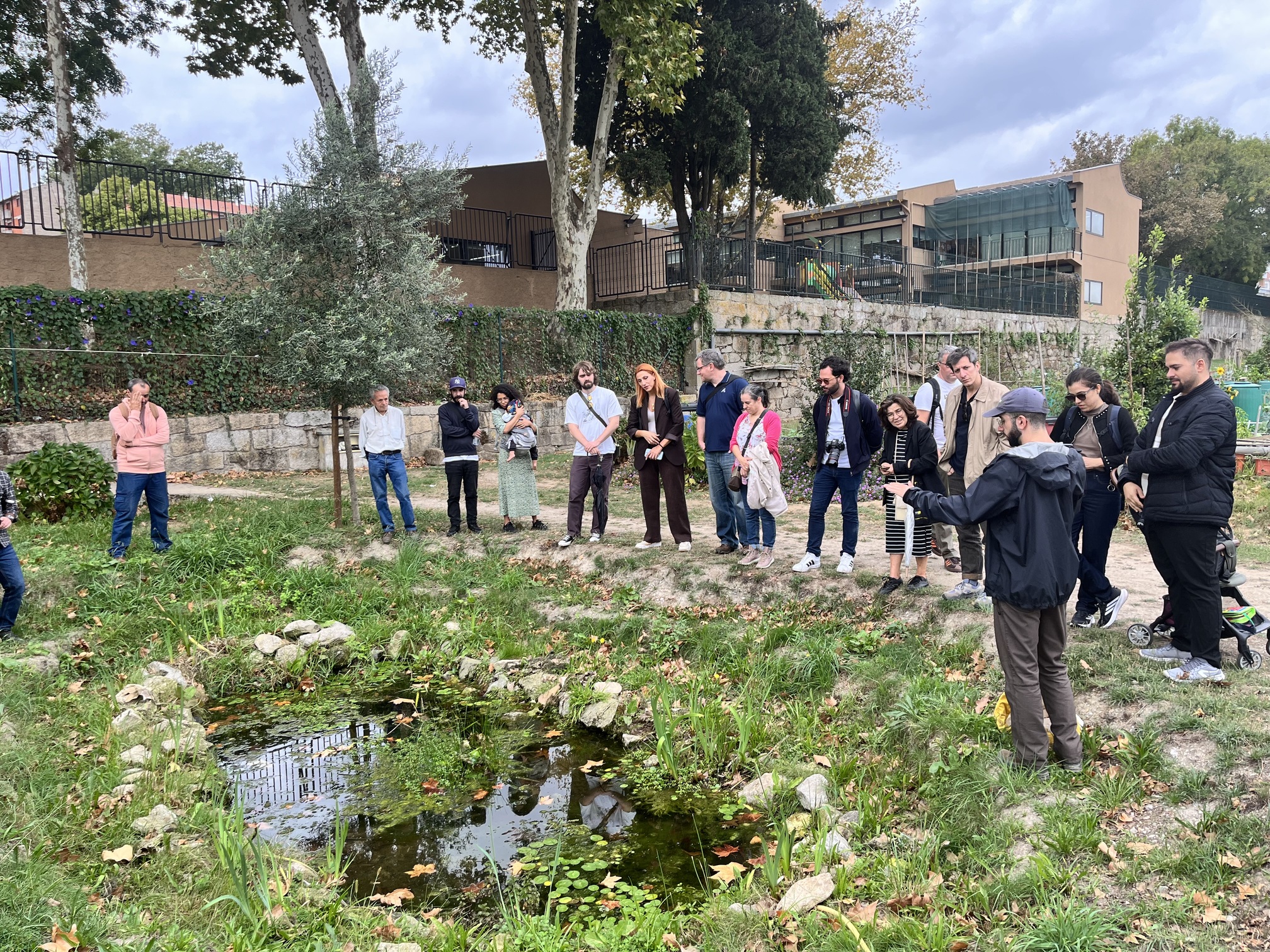
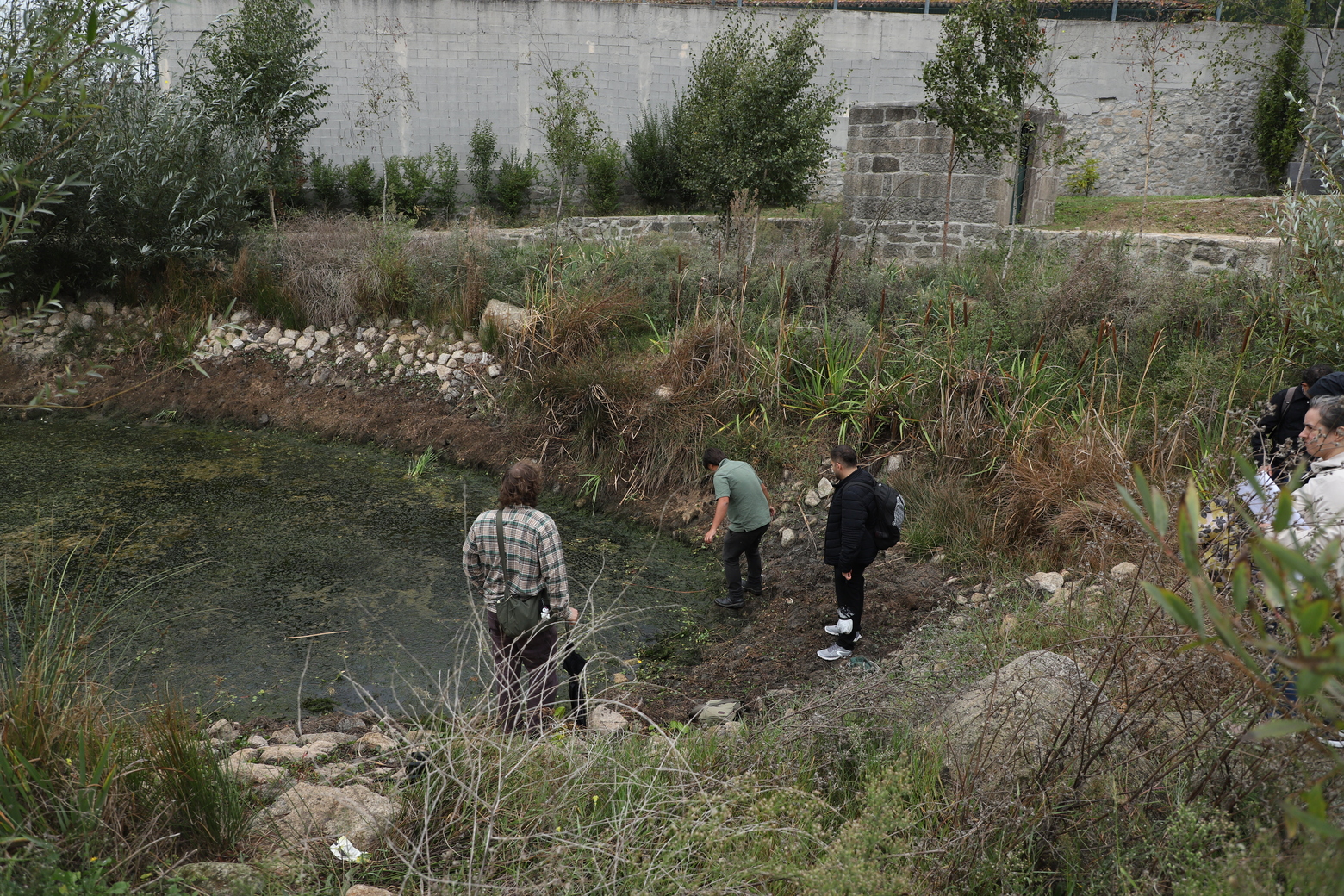
The discussion continued during visits to two urban park case studies: Alameda de Cartes, developed within the EU-funded URBiNAT project, and Lapa (Dr. Mário Soares) Park. Both parks use water-sensitive design to manage rainwater, support biodiversity and support climate adaptation. However, these same features can create conditions favourable to mosquito breeding, highlighting the importance of understanding potential trade-offs between environmental benefits and health risks.
At Alameda de Cartes, CIIMAR experts showed how biodiverse “living” ponds can help naturally control mosquito populations. At Lapa Park, discussions focused on design feedback loops, maintenance, and how to encourage people to embrace more natural, less manicured green spaces.
A community lunch organised by Associação Soalheira provided another opportunity to connect participants and strengthen engagement with the local context.
What’s next?
The workshop made clear that assessing the health impacts of NbS means looking beyond their intended benefits. Design choices, ecological conditions, maintenance and monitoring practices, and local vulnerabilities all shape how interventions perform in practice. The exchanges in Porto will feed directly into WG1’s ongoing research. They also strengthened ties between the LILY network, related European research projects and local stakeholders. Follow-up consultations with stakeholders are planned.
Organisers and acknowledgements:
The workshop was organised by the Centre for Social Studies (CES), University of Coimbra (Gonçalo Canto Moniz, Ribal Aman Eddine), in collaboration with Helmholtz-Zentrum Hereon / GERICS (María Máñez Costa) and the University of Seville (Rocío Pineda-Martos). Projects: EU Horizon 2020 URBiNAT and EU Horizon TRANS-Lighthouse. The organisers gratefully acknowledge the support of Câmara Municipal do Porto, Domus Social, APPC and Associação Soalheira, alongside all participating colleagues and local partners.