One Health & NBS Summer School 2026 replays
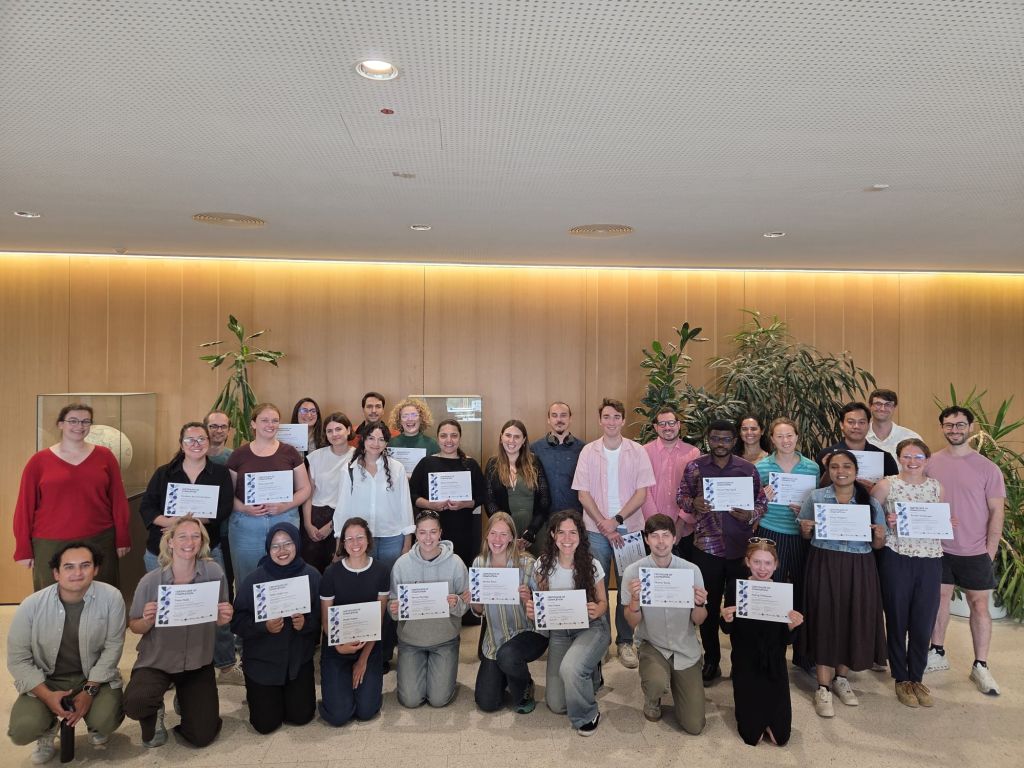
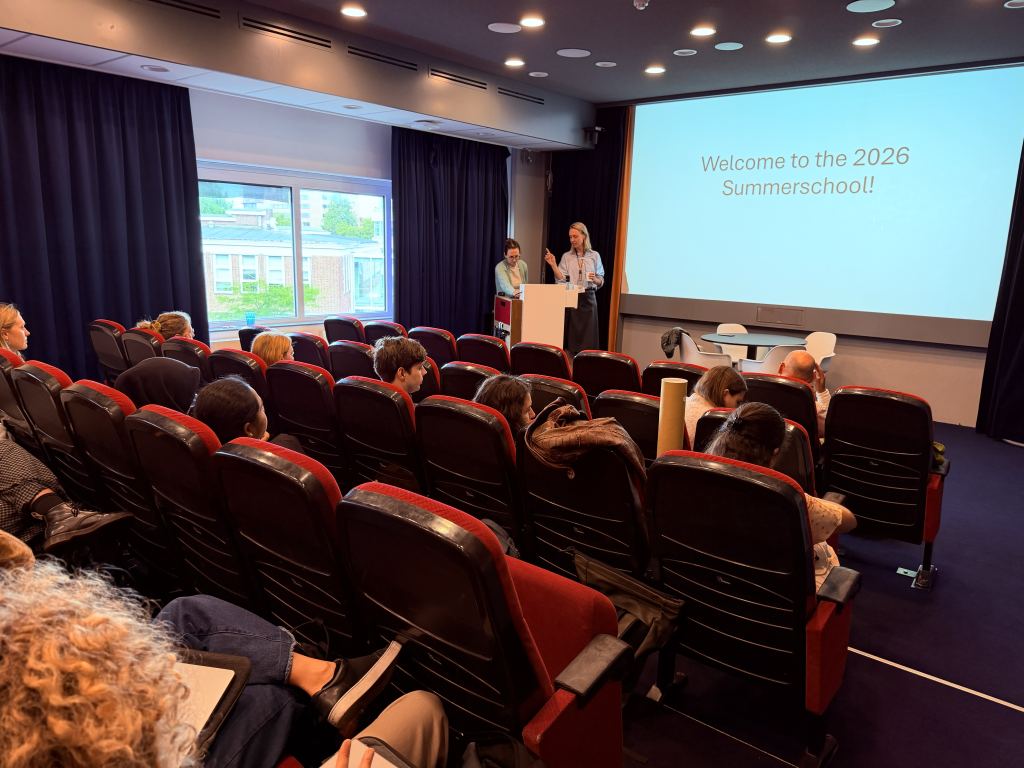
Thirty students spent two weeks this summer moving between Rotterdam and Heidelberg, trying to answer a question: how do you study human, animal, and environmental health as one system instead of three separate fields?
Erasmus MC and Heidelberg University ran the programme as a Summer School. Week one, in Rotterdam, started with the fundamentals: emerging infectious diseases, what climate change is doing to the Netherlands specifically, and linking a warming climate to shifting disease patterns. By Tuesday the group was into case studies: bats and pandemic prevention, avian flu, and MERS-CoV.
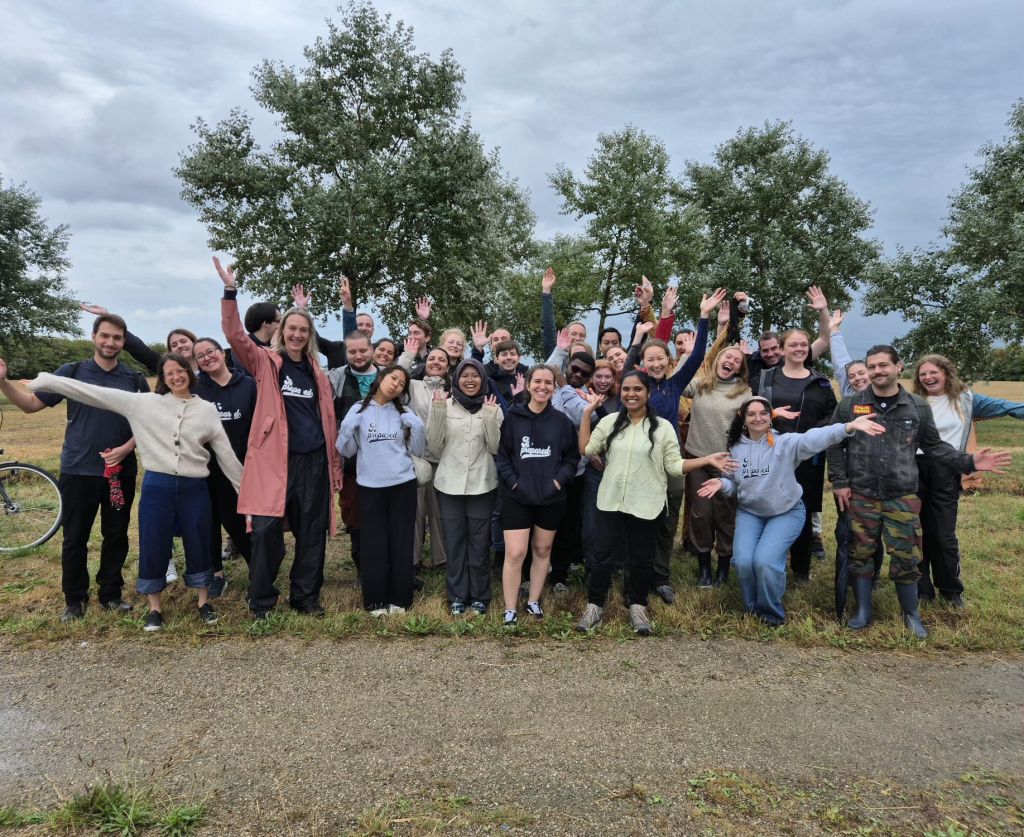
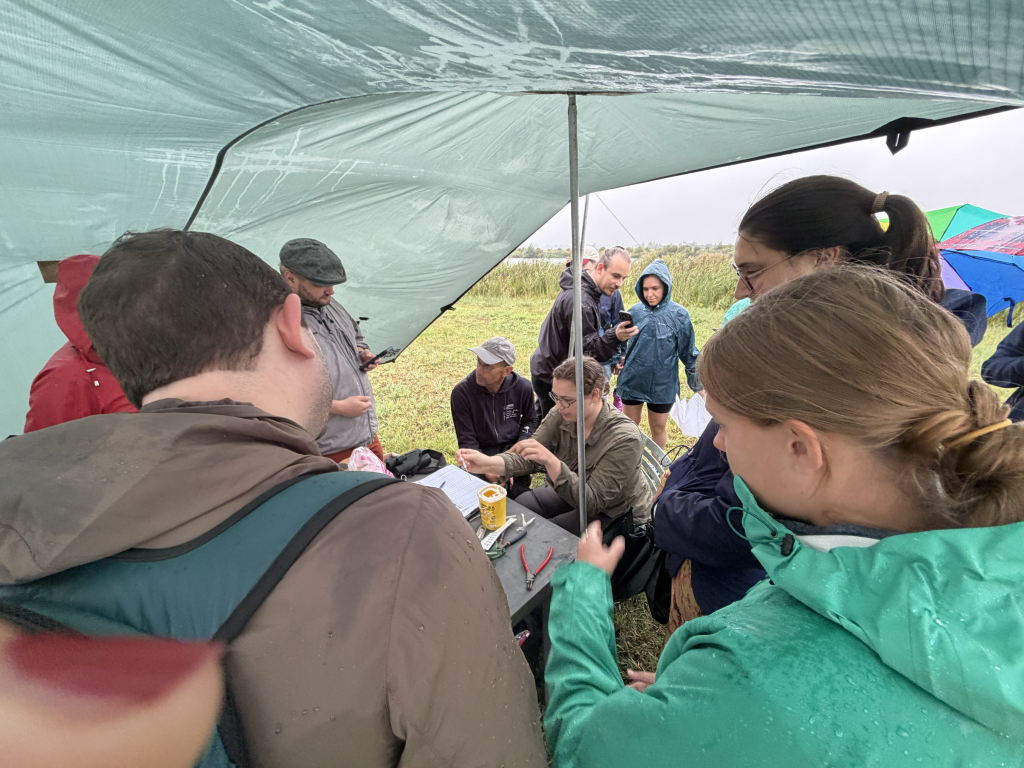
On Wednesday, the group headed out to Eendragtspolder, a wetland park that was flooded on purpose so researchers could study what happens to birds, mosquitoes, and disease transmission when water levels shift. Students spent the morning learning about trapping mosquitoes, capturing wild birds, running bioacoustic monitoring and water sampling, then came back to the lab that afternoon for mosquito identification and immunohistochemistry.
“I think this day showed the added value, techniques but also drawbacks of ecological studies and field surveillance. This knowledge is incredibly valuable not only for those researchers that are directly involved in this type of research, but also these that will process that data and use it in their modelling, as well as policymakers that translate infectious disease research into action.” – Reina Sikkema, Erasmus MC
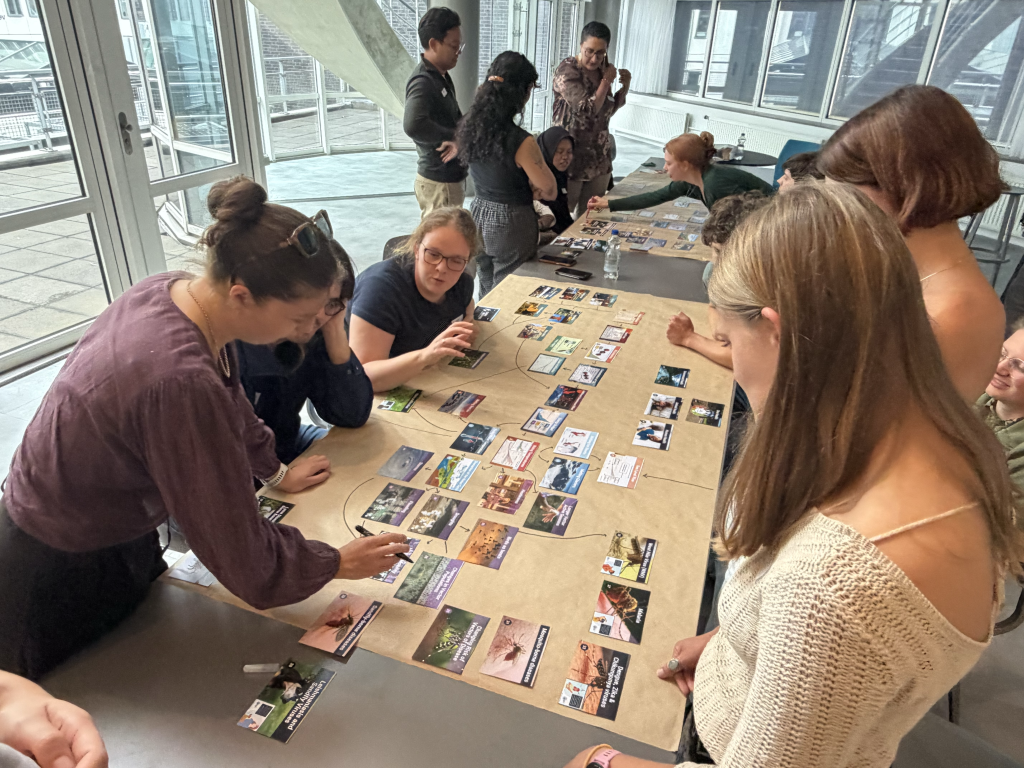
Thursday’s theme was nature-based solutions: the idea that restoring an ecosystem is a public health measure. Friday wrapped the week with a co-creation workshop on stakeholder engagement and a session on communicating One Health.
What Rotterdam covered:
- Climate change and infectious disease risk, with a Dutch case study
- One Health case studies: bats, avian flu, MERS-CoV
- Field methods: bird capture, mosquito trapping, bioacoustics, water sampling
- Lab work: mosquito ID, immunohistochemistry
- Talking to non-specialists
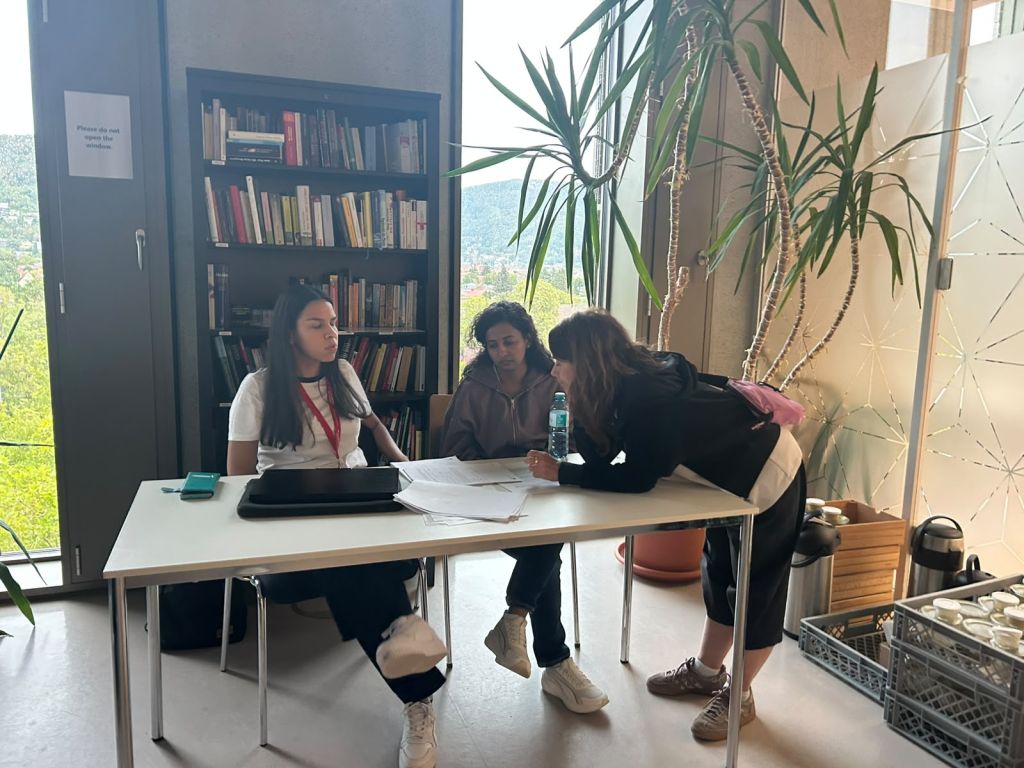
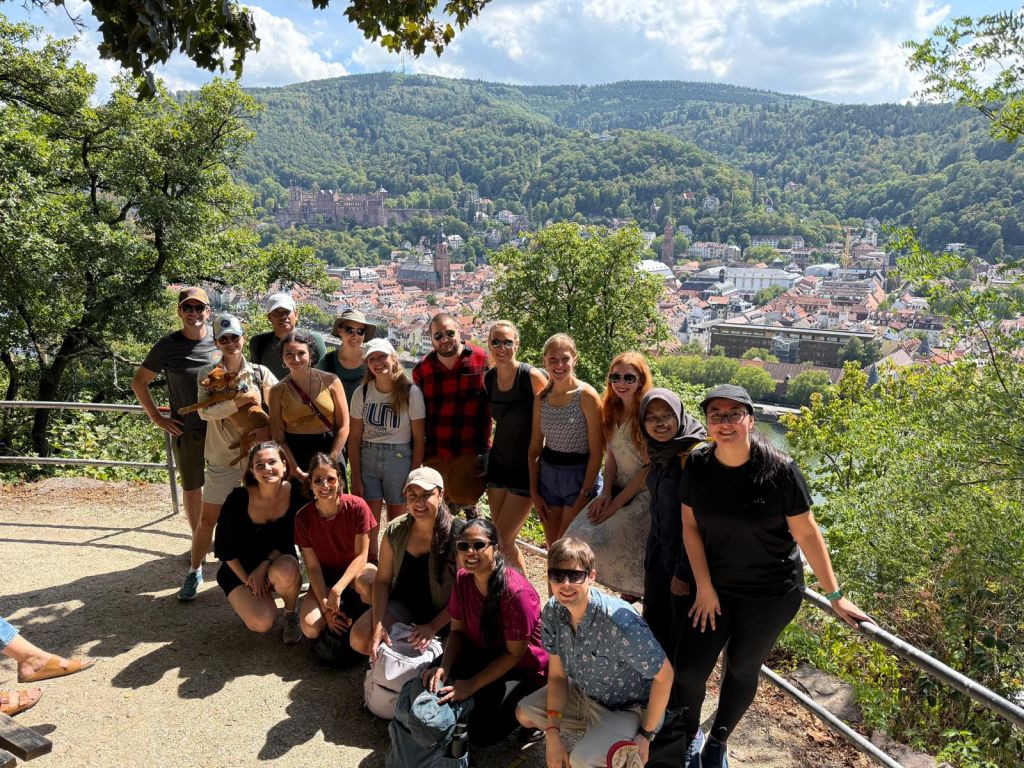
Saturday, everyone travelled to Heidelberg, and the programme shifted toward data and modelling. Monday covered the basics: climate data, GIS and remote sensing, plus a run of sessions on newer monitoring tools, such as AI-assisted vector tracking with, and eDNA.
Tuesday covered modelling: vegetation and mosquito density as a spatial statistics case study, a machine learning model predicting leptospirosis risk across Europe, Bayesian spatio-temporal modelling for Aedes. The day closed with a keynote on West Nile virus in Berlin. Wednesday moved into compartment-based and trait-based models, then everyone went for wine and dinner at a vineyard outside town.
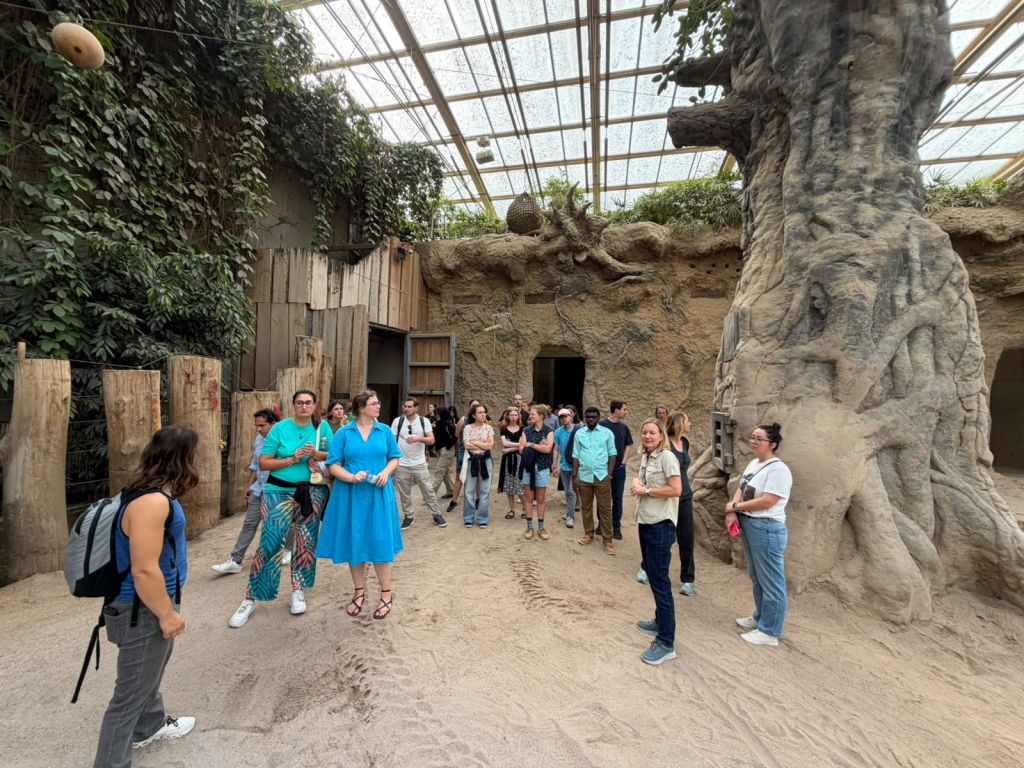
Thursday was the zoo day: trap demonstrations, including camera traps, and a conversation about conservation and biodiversity at Heidelberg Zoo, followed by an afternoon-long workshop on phylogenetic analysis of arboviruses.
“The second week in Heidelberg focused on how data and modelling turn field observations into something you can act on before an outbreak happens. You can trap mosquitoes and ring birds, but until that data runs through a model, you don’t know which ecosystem changes predict rising disease risk. The capstone projects were where that came together: students took everything from the two weeks, field data, lab results, and modelling, and applied it to a real question of their own.” – Joacim Rocklöv, University of Heidelberg
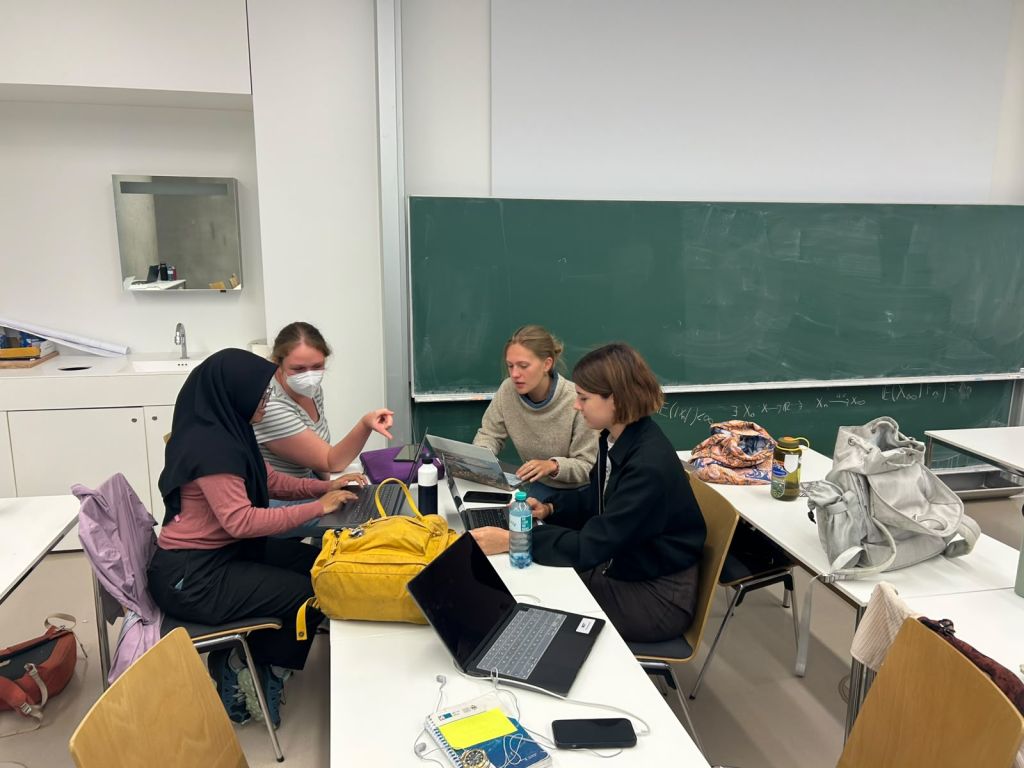
Friday was capstone day. Each team presented what they’d built out of two weeks of fieldwork, lab results, and models.
What Heidelberg covered:
- Climate and ecosystem data: GIS, remote sensing, land use
- New monitoring tools: AI vector tracking, bioacoustics, eDNA
- Modelling: spatial statistics, machine learning, Bayesian spatio-temporal methods
- Mathematical models: compartment-based and trait-based
- Traps and conservation at Heidelberg Zoo
- Phylogenetics of arboviruses